

Wet spray tower
Description
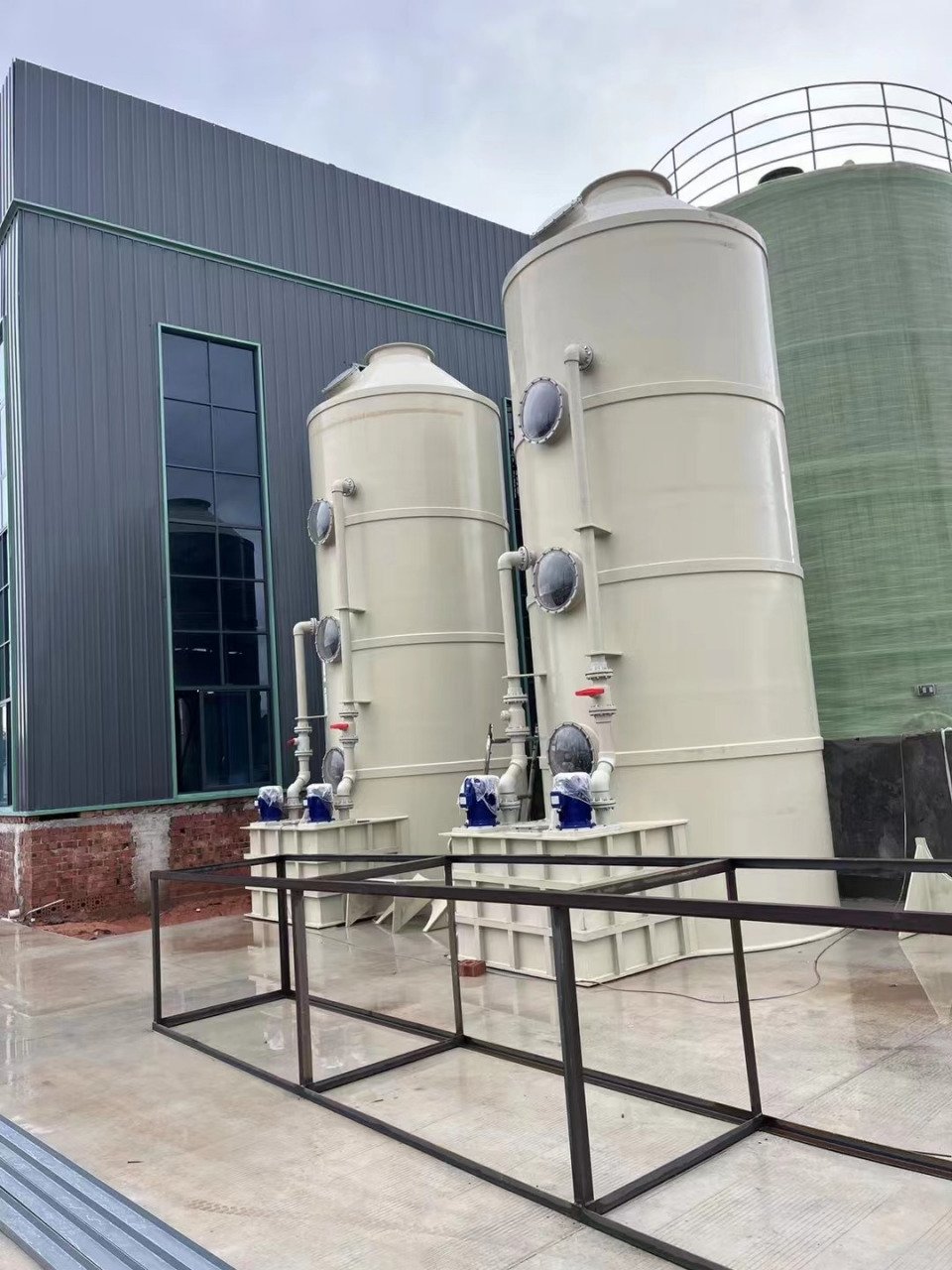
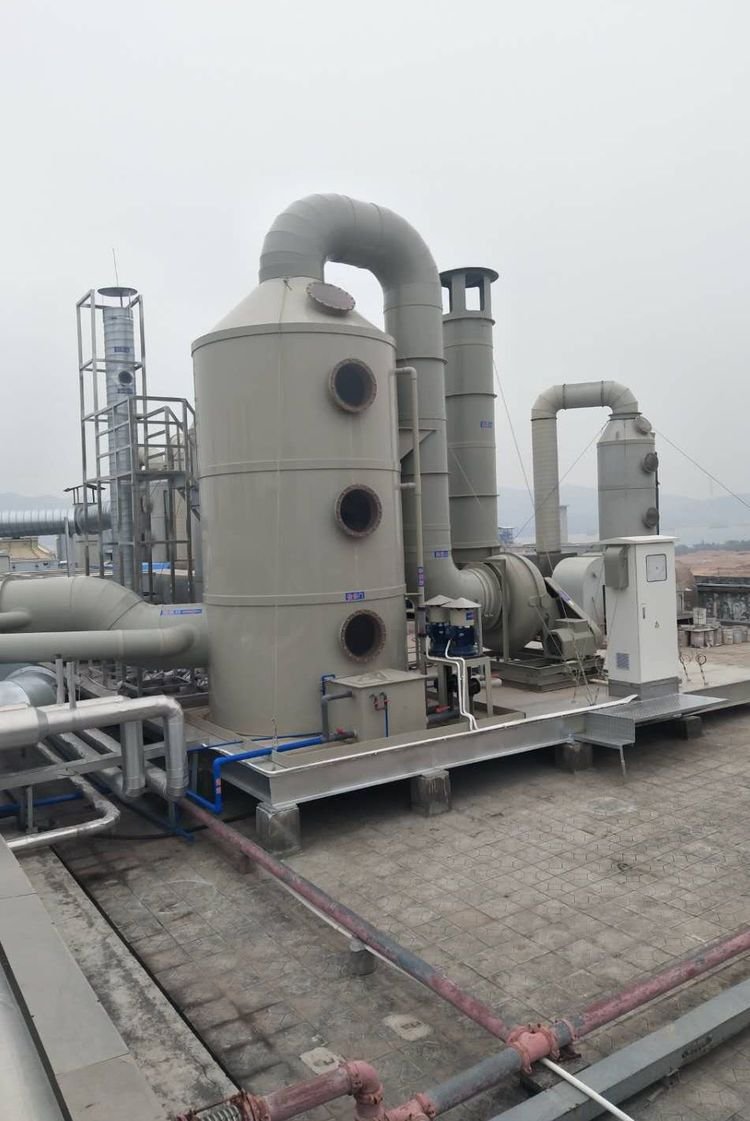
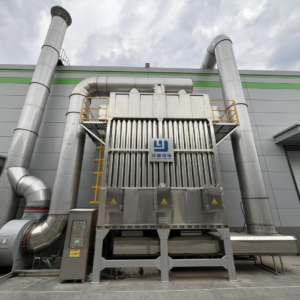
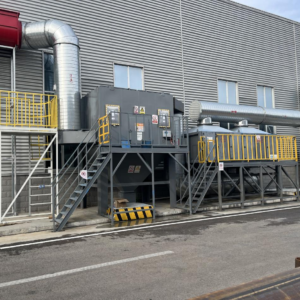
Wet spray tower (also known as washing tower or wet waste gas treatment tower) is a device that uses water or other liquids to contact with waste gas and remove pollutants in waste gas by physical absorption, chemical reaction or dissolution. Its core principle is that the droplets formed by the spray system are fully in contact with the pollutants in the waste gas, so as to achieve the purpose of purifying the gas.
Working principle
The working principle of the wet spray tower is based on the gas-liquid mass transfer theory. The waste gas enters from the bottom of the tower, flows upward after being evenly distributed by the distributor. At the same time, the water pump at the top of the tower pressurizes the circulating water and sprays it evenly in the form of fine droplets through the nozzle to form a water film or water droplets. These water films or water droplets are in full contact with the rising waste gas, and the pollutants in the waste gas are absorbed, dissolved or chemically reacted by the water to generate harmless or low-toxic substances. The purified gas is discharged from the top of the tower, and the wastewater containing pollutants is collected at the bottom of the tower. After subsequent treatment (such as precipitation, filtration, neutralization, etc.), it is recycled or discharged in compliance with the standards.
Structural features
Wet spray towers usually consist of the following parts:
Tower body: Generally made of corrosion-resistant materials (such as fiberglass, stainless steel, etc.).
Spraying system: Including water pumps, pipes and nozzles, responsible for spraying circulating water evenly into the tower to form an effective gas-liquid contact interface.
Padding layer: Placed in the tower to increase the gas-liquid contact area and improve purification efficiency. Common fillers include plastic balls, honeycomb ceramics, polypropylene fillers, etc.
Defogger: Located at the top outlet of the tower, it is used to remove water droplets carried in the gas to prevent secondary pollution.
Circulating water pool: Stores treated wastewater for centralized treatment.
Fan: Provides power for exhaust gas to enter the spray tower to ensure that the exhaust gas is evenly distributed in the tower.
Control system: Realizes automated operation, including water pump start and stop, pH value adjustment, liquid level monitoring and other functions. Application scenarios
Wet spray towers are widely used in multiple industries, including:
Chemical industry: treatment of sulfur-containing waste gas, hydrogen chloride gas, etc.
Electroplating: removal of heavy metal ions and acidic gases.
Spraying: reduction of VOCs emissions.
Pharmaceuticals: removal of organic waste gas and dust.
Waste incineration: treatment of acidic gases and particulate matter.
Reviews
There are no reviews yet.