

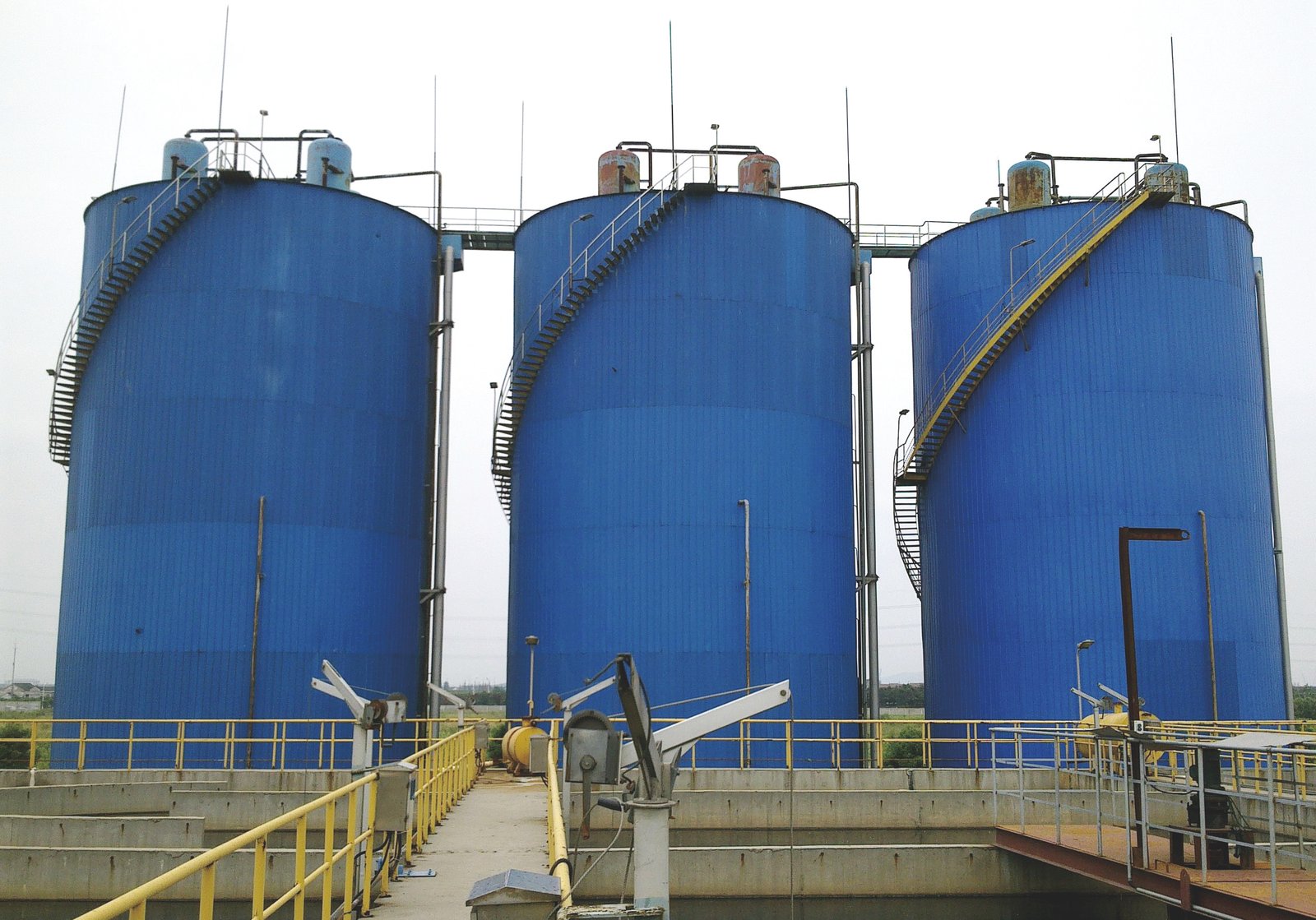
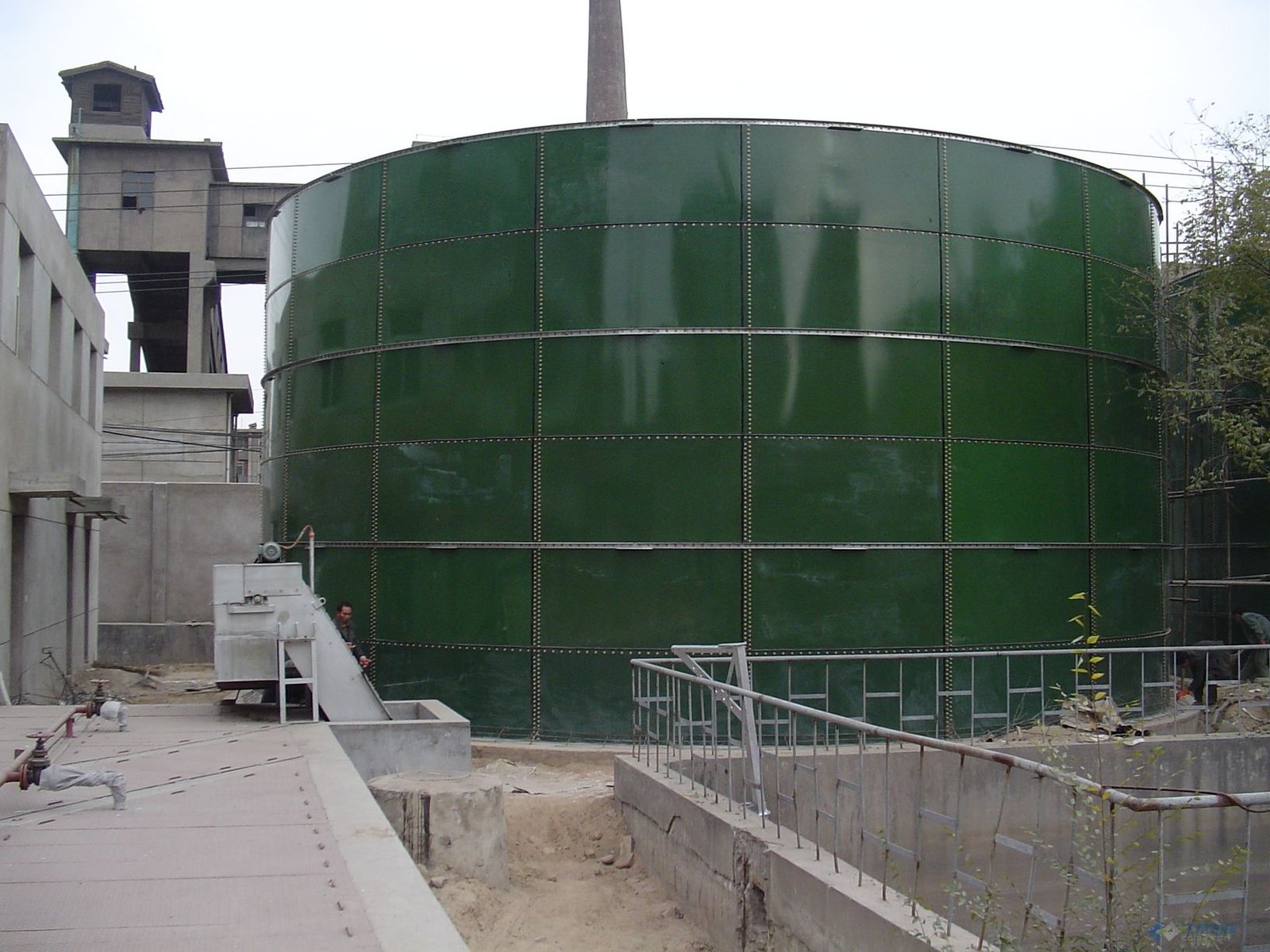
UASB anaerobic reactor
Description
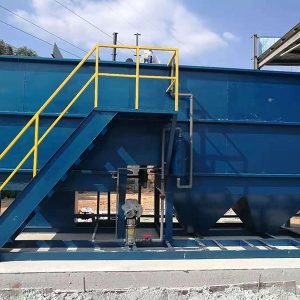
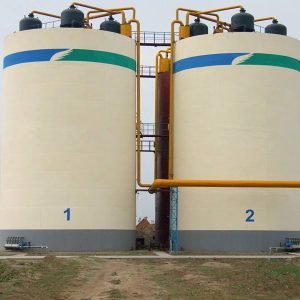
Upflow Anaerobic Sludge Bed (UASB) is a high-efficiency anaerobic bioreactor developed by Professor Lettinga and others in the Netherlands in the 1970s. When the reactor is working, the sewage enters the bottom of the reactor through uniform water distribution, and the sewage passes through the anaerobic sludge bed reactor from bottom to top.
Principle
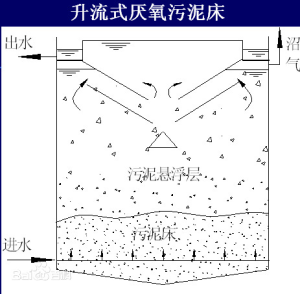
The wastewater of the UASB reactor is introduced into the bottom of the reactor as evenly as possible, and the sewage passes upward through the sludge bed containing granular sludge or flocculent sludge. The anaerobic reaction occurs in the process of contact between wastewater and sludge particles. The biogas (mainly methane and carbon dioxide) produced under anaerobic conditions causes internal circulation, which is beneficial to the formation and maintenance of granular sludge. Some gases formed in the sludge layer are attached to the sludge particles, and the attached and unattached gases rise to the top of the reactor. The sludge rising to the surface hits the bottom of the gas emitter of the three-phase reactor, causing the sludge flocs with attached bubbles to be degassed. After the bubbles are released, the sludge particles will settle to the surface of the sludge bed, and the attached and unattached gases are collected in the gas collecting chamber of the three-phase separator at the top of the reactor. The baffle placed under the gap of the gas collecting chamber unit acts as a gas emitter and prevents biogas bubbles from entering the sedimentation zone, otherwise it will cause flocculation in the sedimentation zone and hinder the sedimentation of particles. The liquid containing some residual solids and sludge particles enters the sedimentation zone through the separator gap.
Since the flow area of the inclined wall sedimentation zone of the separator increases when it approaches the water surface, the rising flow rate decreases when it approaches the discharge point. Due to the reduction in flow rate, the sludge flocs can flocculate and settle in the sedimentation zone. The sludge flocs accumulated on the three-phase separator will exceed the friction force that keeps them on the inclined wall to a certain extent, and they will slide back to the reaction zone, and this part of the sludge will react with the organic matter in the influent water.
Reviews
There are no reviews yet.