

Industrial effluents vary drastically across sectors — containing heavy metals, refractory organics, high salinity, color, or toxicity. Our customized, modular treatment trains integrate physico-chemical, biological, and membrane technologies to achieve high removal efficiency, resource recovery, and water reuse for textile, electroplating, chemical, pharmaceutical, and food industries.
Industry-Specific Treatment Trains
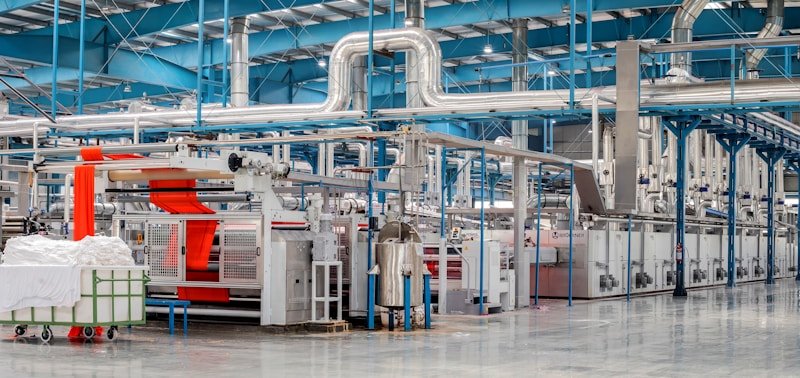
Textile & Dyeing
- Process: screens + equalization + coagulation/DAF + biological + decolorization
- Removes high COD, color & surfactants efficiently
- Ozone or activated carbon polishing for deep color removal
- Water reuse up to 50% for scouring & rinsing
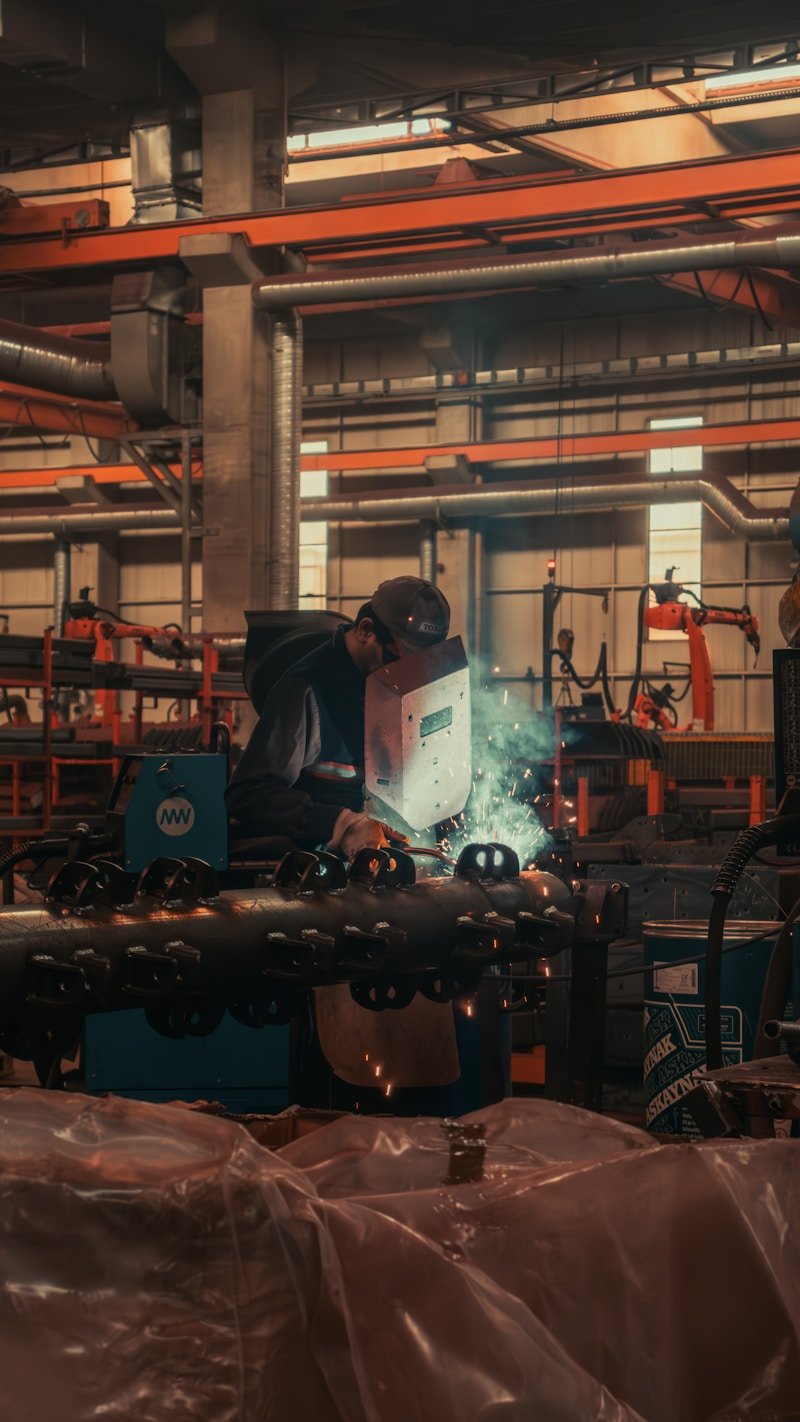
Electroplating & Electronics
- Automatic pH/ORP control + heavy metal precipitation + membrane separation (UF/RO)
- Nickel, chromium, copper removal up to 99.9%
- Metal recovery via electrochemical or ion exchange units
- Effluent meets surface water class III standards
Chemical & Pharmaceutical
- Advanced oxidation (Fenton, ozone/H₂O₂) + biological treatment + special membrane concentration
- Breaks down recalcitrant organics and reduces toxicity
- Salt separation via nanofiltration/RO for zero liquid discharge (ZLD)
- Energy-efficient design with biogas recovery from high-load streams
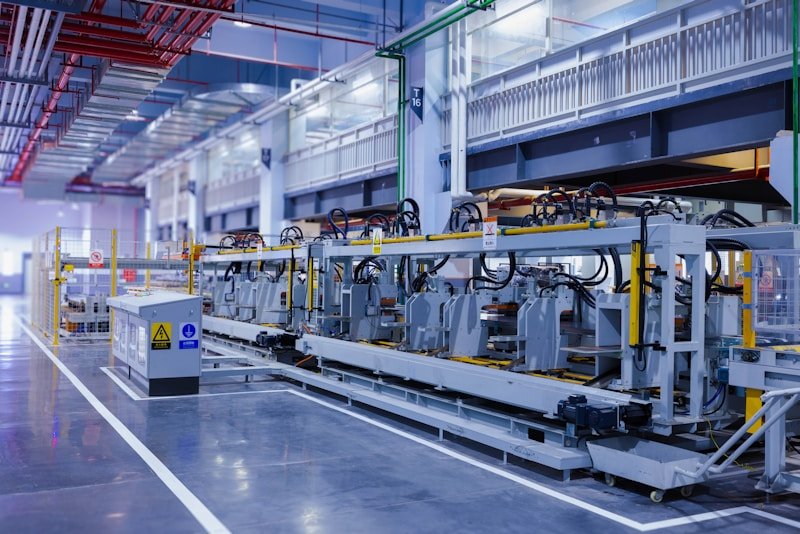
Food Processing & Machinery
- Oil/water separation + DAF + UASB + integrated biological + disinfection
- High COD & fat removal with biogas recovery for energy
- For machining: emulsion breaking, coagulation, oil skimming & filtration
- Treated water suitable for cooling or facility washing
Key Performance Advantages
Heavy Metals Removal >99.9%
For electroplating & electronics wastewater, Ni, Cr, Cu, Zn are reduced to <0.05 mg/L, achieving surface water class III quality.
Resource Recovery & Water Reuse
Special membrane concentration (RO/NF) enables 39x brine concentration & >60% water reuse. Recovered metals, salts and solvents create additional revenue.
Smart Energy & Compliance
Intelligent control reduces biological unit energy by 15-20% and increases stability by 30%. Real-time monitoring ensures full regulatory compliance.
Core Process Architecture
Pre‑treatment & Physico‑Chemical Stage
- Equipment: Equalization tank, coagulation/flocculation, DAF or lamella clarifier, pH/ORP automatic control
- Target pollutants: Suspended solids, oils, heavy metals, color, and toxicity adjustment
- Outcome: Stable influent for biological stage, 80% heavy metal precipitation, COD reduction by 30-50%
- Automation: Online sensors for pH, redox, turbidity – fully automatic chemical dosing
Biological Treatment & Advanced Oxidation
- Technologies: UASB / IC anaerobic reactors, A/O, MBR, Fenton / ozone AOPs
- For refractory organics: AOPs (H₂O₂/UV, catalytic wet oxidation) before or after biological stage
- Performance: COD removal >90%, BOD₅ <10 mg/L, complete pathogen reduction via MBR or disinfection
- Biogas recovery: From UASB/IC for heating or power generation
Membrane Separation & Zero Liquid Discharge (ZLD)
- Membrane types: Ultrafiltration (UF), Nanofiltration (NF), Reverse Osmosis (RO), MBR
- Application: Salt separation, heavy metal polishing, high‑salinity brine concentration (up to 39x)
- Water reuse: >60% reclaimed water for industrial processes, cooling, or washing
- Residual management: Brine crystallizers or evaporation ponds for true ZLD
Proven Results & Reference Projects
Compliance & Reuse Standards
Our solutions achieve stringent limits: for electroplating effluents, Ni & Cr <0.05 mg/L, meeting surface water class III (GB 3838-2002). For textile, COD ≤ 50 mg/L, color ≤ 10; for high‑salinity streams, recovery rate >60% with RO concentrate reduced to <5% of initial volume.
Case Study – A certain electroplating industrial park
Capacity: 3,200 m³/day · Process: pH/ORP controlled precipitation + UF + RO + evaporator. After installation, heavy metals removal >99.95%, water reuse rate 72%, and annual nickel recovery valued at $380,000. The plant eliminated any toxic discharge and reduced freshwater consumption by 67%.
✓ 22% lower energy consumption via smart aeration · 99.9% compliance rate over 3 years · sludge volume reduced by 40% with metal reclamation
What Our Clients Say
"The advanced oxidation + MBR system reduced our pharmaceutical wastewater COD from 12,000 to <45 mg/L. Compliance rate reached 100% and sludge volume decreased by 60%. Highly reliable."

"The heavy metal recovery system from EcoClear cut our disposal costs by 45% and recovered nickel worth $150k per year. Effluent quality now meets surface water class III."

"EcoClear's solution for our textile mill reduced color from 800 to 8 and COD below 50 mg/L. Reclaimed water now supplies 40% of our dyeing washing steps – huge saving on freshwater fees."

Frequently Asked Questions
Need a Custom Industrial Solution?
From heavy metal removal to zero liquid discharge – our experts design, build, and optimize treatment systems for any industry.
Contact us for a free feasibility study and quote.