

Slaughterhouse effluent is characterized by high COD, high ammonia‑nitrogen, high suspended solids, blood, fats, and pathogens. Our three‑stage treatment system (pre‑treatment → biological treatment → advanced polishing) is tailored for any scale – from small rural slaughter points to large meat processing plants, ensuring compliance and water reuse.
Customized System Solutions
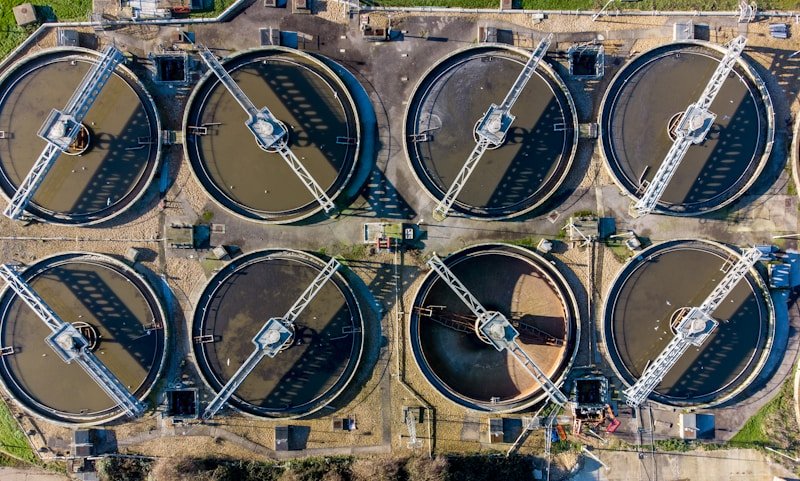
Small Community Slaughterhouses
- Simple process: screen + equalization tank + biogas digester + farmland irrigation
- Low capital cost, minimal energy requirement
- Manure & sludge reused as organic fertilizer
- Ideal for decentralised, low‑volume slaughterhouses
- Pathogen reduction via anaerobic digestion
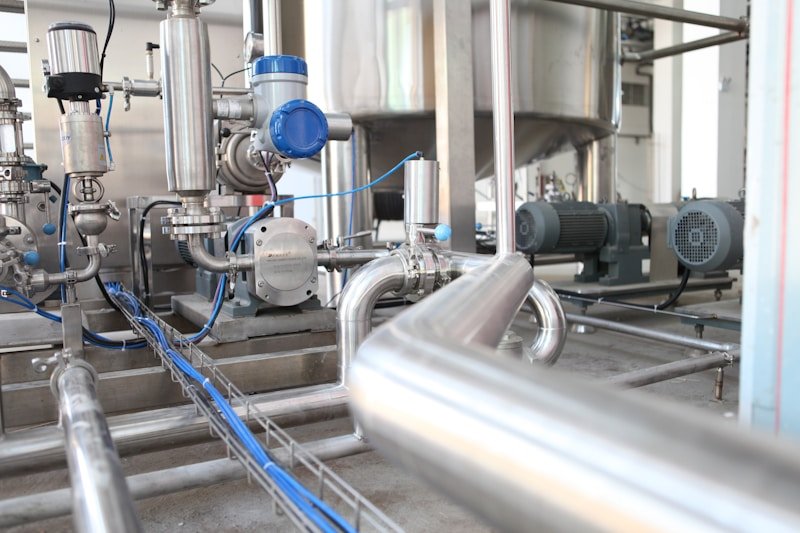
Medium‑Scale Slaughterhouses
- Process: grease trap + DAF flotation + hydrolysis acidification + A/O contact oxidation + disinfection
- Handles high grease & flow fluctuations (treatment cost < 1.5 USD/m³)
- Efficient COD/BOD removal, odour control
- Automatic skimming & sludge dewatering
- Stable Grade 1B effluent standard
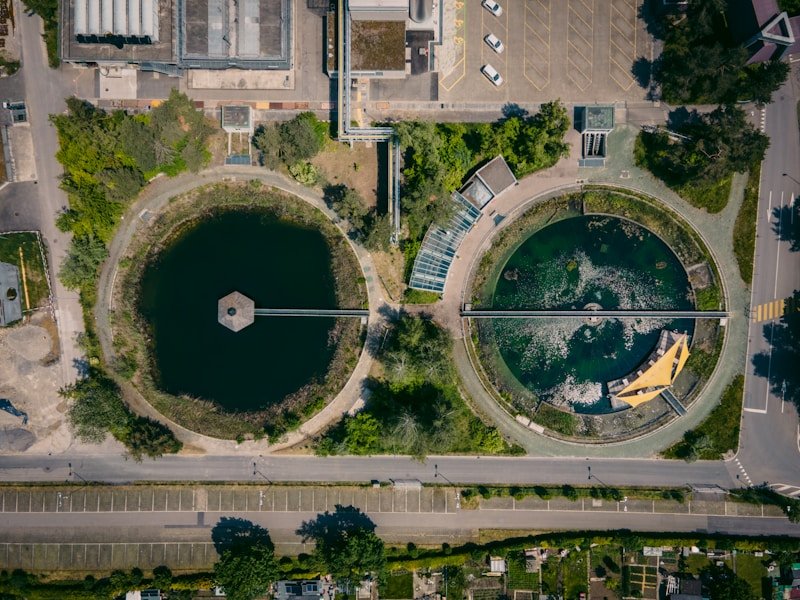
Large Integrated Meat Packers
- Enhanced DAF + IC anaerobic reactor + A²/O+MBR + ozone oxidation + disinfection
- High‑load capacity, excellent nitrogen removal & water reuse up to 80%
- Biogas recovery from IC reactor for energy saving
- Compact footprint, fully automated control
- Meets stringent discharge limits for direct receiving waters
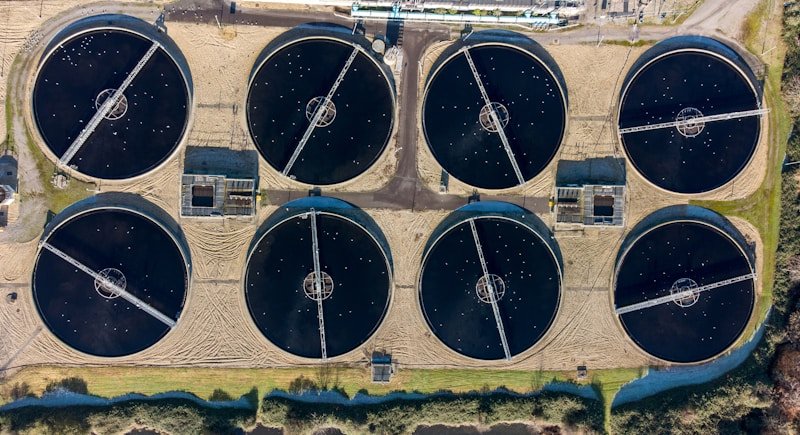
Advanced Sludge Management & Resource Recovery
- Automatic sludge thickening + dewatering (screw press/belt filter)
- Dewatered cake used as organic soil conditioner
- Biogas capturing for heating or power generation
- Intelligent water flow & load balancing system
- Zero secondary pollution, circular economy approach
Key Performance Advantages
High Pollutant Removal
COD ≤50 mg/L, NH₃‑N ≤5 mg/L, SS ≤10 mg/L after biological treatment. Fecal coliform completely eliminated.
Grease & Solids Reduction
Pre‑treatment cuts SS from 800→400 mg/L, oil/grease removal >95% – protects downstream biological units.
Cost‑Effective Operation
Treated water suitable for discharge or reuse; biogas recovery & low energy design reduces running costs by up to 25%.
Three‑Stage Wastewater Process
Stage 1: Pre‑treatment & Physical‑Chemical
- Equipment: Mechanical bar screen, grease trap, dissolved air flotation (DAF), equalization tank
- Function: Removal of hair, feathers, blood clots, suspended solids & free fats
- Outcome: SS reduced by 50%, oil/grease down to <100 mg/L, protects downstream bioreactor
- Automation: Intelligent water level & flow balancing for peak slaughter loads
Stage 2: Biological Treatment (Hydrolysis + A/O + MBR/IC)
- Options: Hydrolysis acidification + A/O contact oxidation for medium scale; IC anaerobic + A²/O+MBR for large plants
- Key units: Hydrolysis tank, IC anaerobic reactor, anoxic/aerobic zones, MBR membrane (or secondary clarifier)
- Performance: COD removal >98%, ammonia‑nitrogen removal >96%, complete pathogen reduction
- Energy: IC reactor produces biogas, MBR ensures high‑quality effluent for reuse
Stage 3: Advanced Polishing & Disinfection
- Technologies: Ozonation / UV disinfection / chlorine dioxide, optional sand filtration
- Goal: Eliminate remaining pathogens, colour, trace organics – achieve Grade 1A or reclaimed water standard
- Reuse applications: Facility washing, vehicle cleaning, landscape irrigation, dust control
- Monitoring: Online residual chlorine, pH, turbidity for safe discharge
Proven Results & Case Study
Compliance & Reuse Standards
Discharge meets GB8978‑1996 (China) or equivalent local standards; effluent quality: COD ≤50 mg/L, BOD₅ ≤10 mg/L, NH₃‑N ≤5 mg/L, SS ≤10 mg/L, coliforms non‑detectable. Option for Grade 1A with ozone/UV.
Project spotlight – Shuanghui Meat Processing Plant, Henan
Capacity: 2,500 m³/day · Process: Enhanced DAF + IC anaerobic + A²/O+MBR + UV disinfection. After installation, effluent COD decreased from 3,200 mg/L to 38 mg/L, grease removal >98%, biogas recovered generates 6,000 m³/day for boiler fuel. The plant achieved zero odour complaints and reuses 70% of treated water for facility cleaning and irrigation.
✓ 15% energy savings through intelligent control · Sludge converted to organic fertilizer (180 t/year) · Annual compliance 100%
Customer Feedback
"The DAF + A/O system for our medium pig slaughterhouse reduced wastewater COD from 2800 to <70 mg/L. Local river pollution solved, and the cost is only $1.2/m³."

"IC anaerobic reactor + MBR for our large meat packing plant – treated water quality surpasses Grade 1A, and we recover biogas worth $200k per year. Highly recommended."

"The simple biogas + irrigation solution for our village slaughterhouse was very affordable. Now we have zero discharge and our crops thrive on treated water."

Frequently Asked Questions
Need a Custom Slaughterhouse Solution?
From engineering design to turnkey installation and training – we deliver reliable, cost‑effective wastewater treatment.
Contact us for a free assessment and quote.