How Often Are Hazardous Waste Storage Areas Inspected?
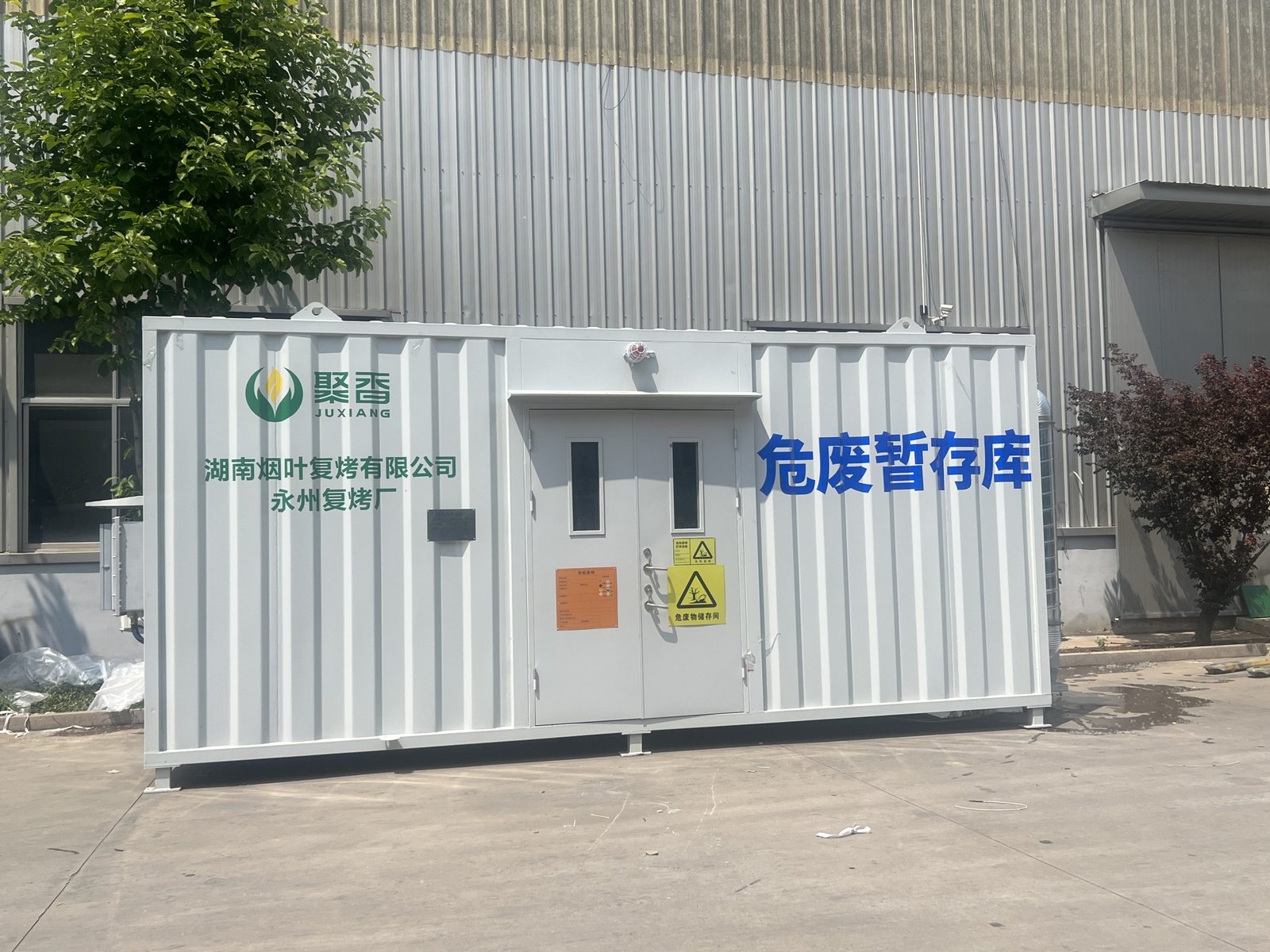
Hazardous waste storage facilities are essential elements of environmental safety and compliance with regulations in industries from manufacturing to healthcare. The frequency with which such facilities are inspected is not only good practice—it is also a legal requirement enforced by federal, state, and sometimes local environmental protection agencies.
But how frequently must these storage facilities be inspected? That depends on several variables, such as the kind of facility, the amount of hazardous waste produced, and the regulatory structure in effect. This article discusses the most critical inspection prerequisites, the reasoning behind them, and what companies need to do to stay in compliance.
Why Inspect Hazardous Waste Storage Areas?
Toxic waste can be a danger to human health and the environment. Leaks, spills, and faulty storage can lead to air or groundwater contamination, fire, or even explosions. Inspecting on a regular basis achieves several things:
- Preventing spills or leaks
- Keeping containers labeled and sealed
- Inspecting secondary containment systems
- Verifying storage time limits are not exceeded
- Identifying potential safety violations before they escalate
Routine inspections help ensure that the hazardous waste is handled responsibly and stored according to federal and local regulations.
Federal Requirements: EPA Guidelines
In the United States, the principal regulatory agency on hazardous waste is the Environmental Protection Agency (EPA) under the Resource Conservation and Recovery Act (RCRA). The EPA classifies generators of hazardous waste into three categories:
- Large Quantity Generators (LQGs) – produce over 1,000 kg of hazardous waste in a month.
- Small Quantity Generators (SQGs) – produce between 100 and 1,000 kg per month.
- Very Small Quantity Generators (VSQGs) – produce less than 100 kg per month.
Inspection Frequency for SQGs and LQGs
According to 40 CFR §265.174, LQGs will inspect hazardous waste storage areas at least weekly. The inspection will:
- Be carried out by staff trained in handling hazardous waste.
- Be recorded in a logbook or electronic record.
- Include container inspection, marking, leaks, corrosion, and compatibility.
Although SQGs are not required by the federal government to conduct weekly inspections, it is a best practice and can still be mandated by state law.
State and Local Laws
Most U.S. states have their own hazardous waste management programs, and these can include more frequent inspection requirements or other requirements.
For example:
- California (DTSC regulated) requires hazardous waste storage areas to be inspected weekly, without regard to generator status.
- Texas requires generators to follow weekly inspections and maintain records for at least three years.
- New York and other states tend to replicate federal mandates but with state-specific distinctions.
Therefore, it’s essential that companies call their state environmental agencies to confirm applicable rules.
What Should Be Inspected?
A thorough inspection should cover the following aspects:
- Container condition: Are there bulges, rust, or leaks?
- Labeling: Are all containers well labeled with content and hazard identification?
- Storage time: Has the waste exceeded its authorized on-site storage time?
- Spill containment: Are there any indications of overflows or spills? Is secondary containment intact?
- Access and security: Are the storage facilities secure and accessible only to authorized individuals?
- Emergency equipment: Are safety equipment (spill kits, fire extinguishers, etc.) present and operational?
Documentation and Recordkeeping
EPA and most states mandate keeping inspection records for some time (usually three years). The records must contain:
- Date and time of inspection
- Name and designation of the inspector
- Observations made
- Corrective actions taken (if any)
- Signature of the inspector
A well-maintained inspection log can be a valuable tool during regulatory inspections and for in-house safety audits.
Consequences of Non-Compliance
Failure to inspect hazardous waste storage areas at the regular interval can result in severe penalties. These include:
- Fines by EPA or state governments (ranging from hundreds to tens of thousands of dollars per day per violation)
- Injunctions or closure orders
- Reputation damage and loss of public trust
- Greater possibility of environmental accidents
In severe instances, criminal charges may be brought if negligence results in severe injury.
Best Practices for Compliance
To facilitate continued compliance, businesses ought to:
- Create a written inspection program
- Train personnel in hazardous waste handling and inspection
- Utilize checklists or computer programs to institutionalize the procedure
- Conduct internal audits periodically
- Keep yourself informed about regulatory developments
Others utilize environmental management systems (EMS) or software platforms that automate reminders and document inspections, enhancing consistency and traceability.
Conclusion
The frequency of hazardous waste storage inspections is not arbitrary—federal, state, and local regulations determine it. Weekly inspections are either mandatory or strongly suggested for most large and small quantity generators. Not only will these routine inspections maintain your operations in compliance, but they will also significantly reduce environmental and safety risks. In a world in which sustainability and corporate accountability are ever more emphasized, frequent checks on hazardous waste storage zones are both the law and good business sense.