

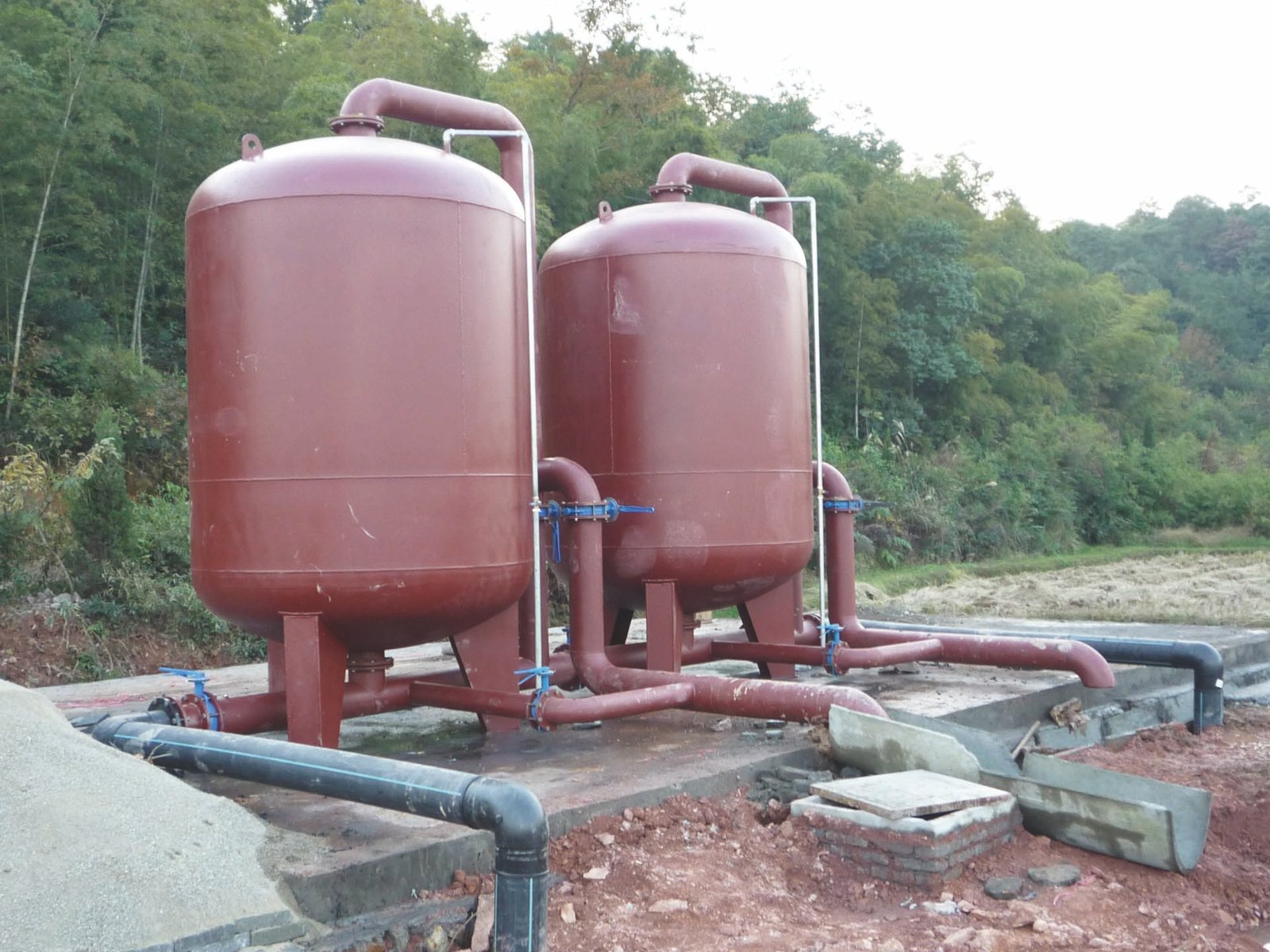
How to Approach Water Gas Treatment with Critical Equipment
It is common in most industrial processes such as petrochemical refining, chemical manufacturing, mining, or power generation that gas and water contaminants are produced simultaneously. Such impurities must be treated before discharge or reuse to comply with environmental regulations and mitigate impacts on ecosystems and human health.
Water-gas treatment handling is integrated systems for treating liquid effluents (wastewater) and gas emissions (air pollutants) using specialized technology. This article will discuss how to handle these streams properly, such as what type of equipment is typically required.
Learn to Know the Contaminants
Any treatment solution must be preceded by a thorough analysis of waterborne and airborne pollutants.
Common water pollutants:
- Suspended solids (SS)
- Heavy metals such as lead, mercury, and cadmium
- Chemical oxygen demand (COD) and biochemical oxygen demand (BOD)
- Oil and grease
- Acids and alkalis
- Toxic chemicals or salts
Typical gas pollutants:
- Sulfur dioxide (SO2) and nitrogen oxides (NOx)
- Volatile organic compounds (VOCs)
- Ammonia and hydrogen sulfide (H2S)
- Gases, fumes, or mists of acids
- Particulate matter such as PM2.5 and PM10
Knowing the nature, concentration, and discharge limit of such pollutants will determine the treatment technology and equipment to be employed.
Overview of Water Treatment Equipment
To clean polluted water, physical, chemical, and biological processes are blended together. The most critical facilities are:
Pre-treatment facilities:
- Bar screens or rotary drum filters for the removal of big solids or rubbish
- Oil-water separators for oily wastewaters
- pH adjustment tanks to neutralize acidic or basic water
Primary and secondary treatment:
- Sedimentation tanks or clarifiers for the removal of suspended solids
- Dissolved air flotation systems to remove oils and scums
- Biological reactors such as MBBR, SBR, or MBR for organic matter degradation
- Aeration equipment to supply oxygen for microbial growth
Advanced treatment:
- Sand or carbon filters for removal of residual solids and organics
- Reverse osmosis units for high-purity uses
- NOVEC or ozone disinfection for destruction of pathogens
- Heavy metal removal units by precipitation or adsorption for the removal of heavy metals
Overview of Gas Treatment Equipment
Air pollutants are treated with capture and filtration systems unique to emission type.
Particulate removal:
- Baghouse dust collectors using fabric filters
- Cyclone separators using centrifugal force
- Electrostatic precipitators using electric charges
Treatment of acid gas and VOC:
- Wet scrubbers using water or chemicals to adsorb gases
- Activated carbon filters using organic vapors to adsorb
- Thermal oxidizers using high-temperature destruction of VOCs
- Catalytic converters reducing NOx and hydrocarbons
Odor control systems:
- Biofilters using microbes to break down odorous compounds
- Chemical scrubbers for the neutralization of gases through chemical reaction
Integrated Water-Gas Treatment Strategy
In most sectors, gas and water treatment plants are designed to operate together in a manner that is energy efficient and compliant with regulations. These include:
Flue gas desulfurization combined with wastewater treatment. Flue gas SO2 is eliminated using scrubbers, generating acidic wastewater which then needs neutralization and dewatering.
Condensate recovery plants where hot gas streams condense to form dirty water that will need effluent treatment.
Scrubber water reuse. Gas scrubbing water is recycled after treatment to limit consumption.
Monitoring and Automation
High-tech treatment facilities use automation for efficiency and safety:
- SCADA systems for overall control
- pH, turbidity, gas concentration, BOD, and COD sensors and analyzers
- Flow meters to monitor air and water volumes
Maintenance and Safety Aspects
- Schedule predictive maintenance for blowers, filters, and pumps
- Inspect gasket seals, valves, and pressure controls on gas systems
- Adhere to proper chemical handling and storage practices
- Keep emergency ventilation systems operational
Conclusion
The treatment solutions for successfully controlling water and gas pollutants need to be adapted to a given combination of equipment and treatment stages. Ranging from gas filters and scrubbers to wastewater biological reactors and reverse osmosis, the choice of systems depends on your type of pollutant, industry, and regulatory goals.
Having experienced environmental engineers or system integrators on board is strongly recommended. They can assess your emissions and recommend an economical and compliant alternative that suits your unique needs.